

5 Exciting New Injections for Osteoarthritis in Australia
If you’ve ever woken up with stiff knees, sore hips, or swollen fingers, you know the daily grind of osteoarthritis can feel relentless. For decades, the options have been predictable: painkillers, cortisone shots, hyaluronic acid gel injections, or eventually, a joint replacement. But science in Australia is buzzing with research that might just change everything.
From stem cells to gene therapy, researchers are testing brand-new injections that don’t just mask the pain, they aim to actually repair and protect your joints. Here’s a peek at the five most promising treatments currently in Australian trials, explained in plain English.

1. Stem Cell Injections: Repair Your Joints from the Inside
You may have heard of stem cells in the context of miracle cures, but the reality is a little more grounded and exciting. Stem cell injections for osteoarthritis typically use cells taken from your own bone marrow or fat. These cells have the ability to develop into different types of tissue, meaning they can potentially help repair the damaged cartilage in your joint.
The idea is simple: plant “repair cells” directly where your joint needs them. Once in place, these cells can reduce inflammation and promote healing. Australian researchers are investing millions into clinical trials, testing whether these tiny cells can truly rebuild worn-out cartilage and ease osteoarthritis pain in a way that traditional injections cannot.
Why it matters: If stem cells live up to the promise, this could mean fewer painkillers, less swelling, and a real chance to slow down the degenerative process that comes with OA.

2. Platelet-Rich Plasma: Your Body’s Own Healing Power
Another exciting injection being trialled is platelet-rich plasma, or PRP. It’s made from your own blood. Doctors spin it down to concentrate the platelets, which are rich in growth factors that naturally support healing. Then it’s injected into the joint.
Think of it like giving your knee a “healing boost shot.” The platelets release proteins that encourage tissue repair and can help calm inflammation. Early studies suggest that PRP may be particularly effective for people with mild to moderate osteoarthritis, and unlike cortisone, it doesn’t just mask the pain temporarily, it aims to help the joint recover.
Why it matters: PRP harnesses your body’s own resources. It’s personalised medicine in action, and while it’s still being tested in large Australian trials, the results so far are promising.
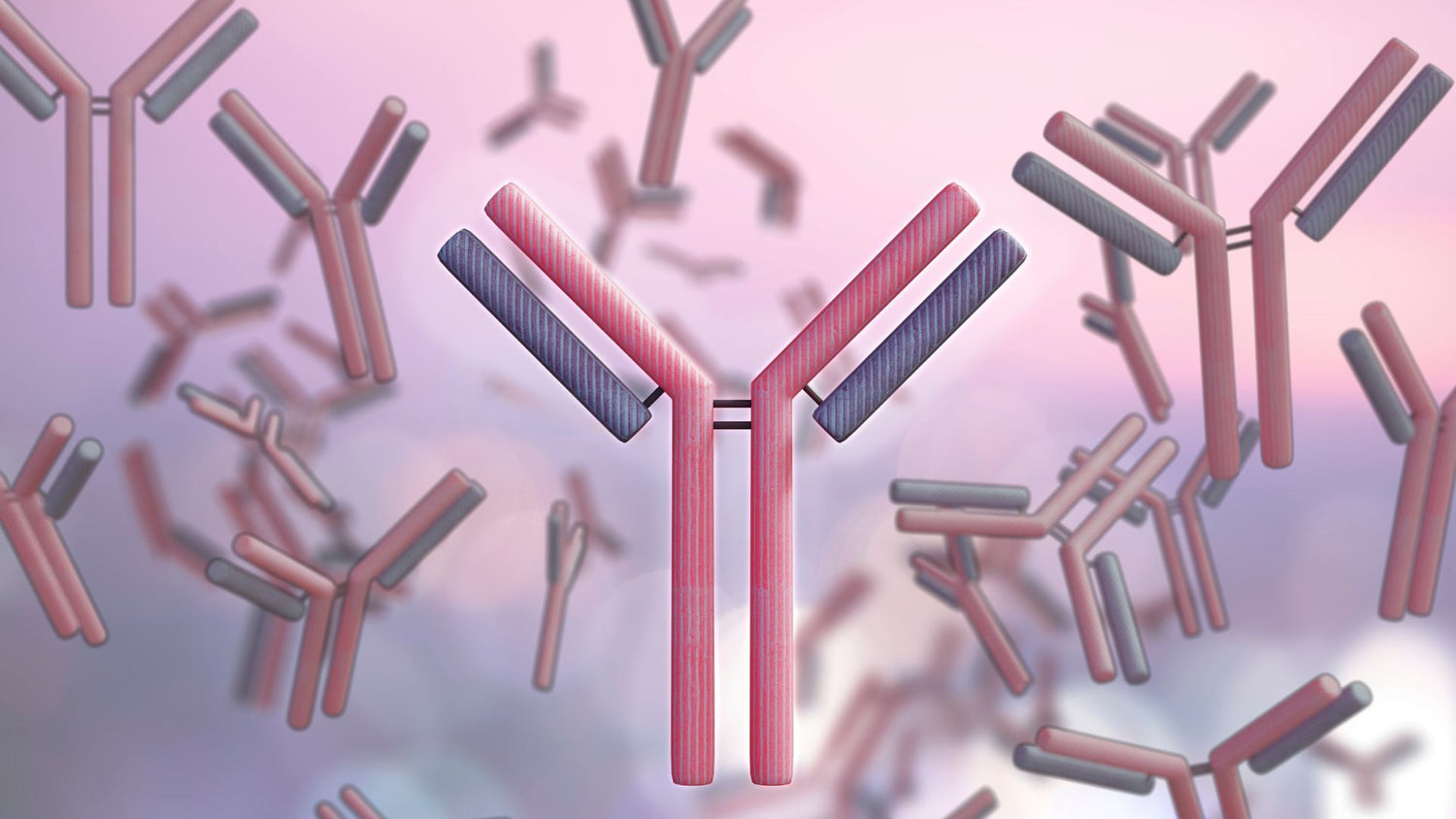
3. Anti-NGF Antibodies: Turning Down the Pain Volume
Pain is one of the hardest parts of living with osteoarthritis. Enter anti-NGF antibodies, a new type of injection designed to target the nerves responsible for sending pain signals from your joint. NGF stands for nerve growth factor, and these injections work by blocking it.
Imagine having a volume control for your joint pain - anti-NGF antibodies effectively turn the dial down. Unlike opioids, which affect the whole body and can have serious side effects, this treatment aims to relieve pain specifically where you need it.
Why it matters: For people who struggle to function because of constant joint pain, this could be life-changing. It doesn’t fix the cartilage, but it makes living with OA much more manageable while other treatments do their repair work.

4. Gene Therapy Injections: Upgrading Your Joints
Gene therapy might sound like science fiction, but Australian scientists are testing injections that deliver tiny “genetic instructions” directly into the joint. These instructions tell your cells to produce proteins that can fight inflammation or even repair damaged tissue.
Think of it like upgrading your joint’s software. Instead of just treating the symptoms, gene therapy has the potential to change how your joint functions at a cellular level. The aim is long-lasting relief and perhaps even a reversal of damage that has built up over years.
Why it matters: Gene therapy represents a completely new approach. It could reduce the need for repeated injections, and instead of just calming pain, it could help the joint heal itself. It’s still early days, but trials in Australia are underway, and the excitement is palpable.

5. Novel Anti-Inflammatory Biologics: A Smarter Cortisone
Cortisone injections have been used for decades to calm inflammation, but they aren’t perfect. They can wear off quickly and repeated use may actually weaken cartilage. That’s why researchers are developing a new class of biologics; lab-made proteins that block inflammation in a smarter, more precise way.
These injections target specific pathways that drive inflammation, unlike cortisone which works more broadly. The goal is longer-lasting relief, fewer side effects, and a gentler approach to keeping joints healthy.
Why it matters: This isn’t just about masking pain. By addressing the root causes of inflammation in a joint-specific way, biologics could provide sustained relief for people with osteoarthritis without the risks associated with long-term cortisone use.