

So, you’ve finally decided to go for it. After years of bone-on-bone grinding, cancelled bushwalks, and living on a steady diet of anti-inflammatories, you’re getting a Total Knee Replacement (TKR). It’s one of the most successful surgeries in modern medicine, often described as a "miracle" for those suffering from end-stage osteoarthritis.
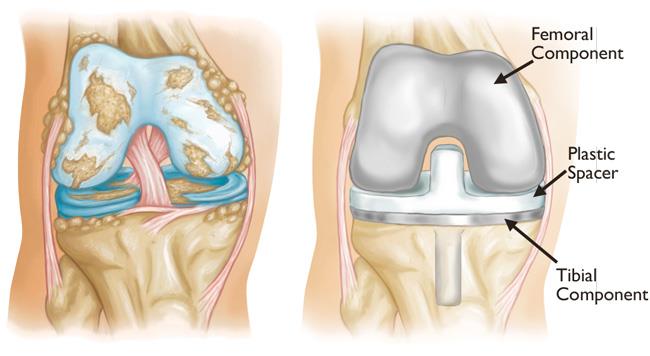
But let’s keep it real: while the success rates are sky-high, a TKR isn’t exactly like swapping out a spark plug in a Holden. It is a major biological and mechanical overhaul. Most people breeze through, but for some, the road to recovery has a few unexpected potholes.
At Destiny Health, we believe that being "forewarned is forearmed." Understanding the potential complications doesn't just lower your anxiety - it actually improves your outcomes. Why? Because when you know what to look for, you and your physiotherapist can act fast.
In this deep dive, we’re going to look at what can go wrong, why it happens, and most importantly, how expert physiotherapy is your secret weapon for a complication-free recovery.

The Anatomy of the Upgrade
Before we talk about what might go sideways, let’s look at what’s actually happening. In a TKR, the surgeon removes the damaged cartilage and bone from the surface of your knee joint and replaces them with high-grade metal and plastic components.
This new joint relies on your existing ligaments, muscles, and tendons to function. If those tissues aren't "happy" or well-trained, the most expensive prosthetic in the world won’t feel right.
Part 1: The "Big 5" Potential Complications
While the risk of serious complications is low (usually under 2-5%), they are worth knowing about. Here is the breakdown of what we monitor for in our clinic.
-
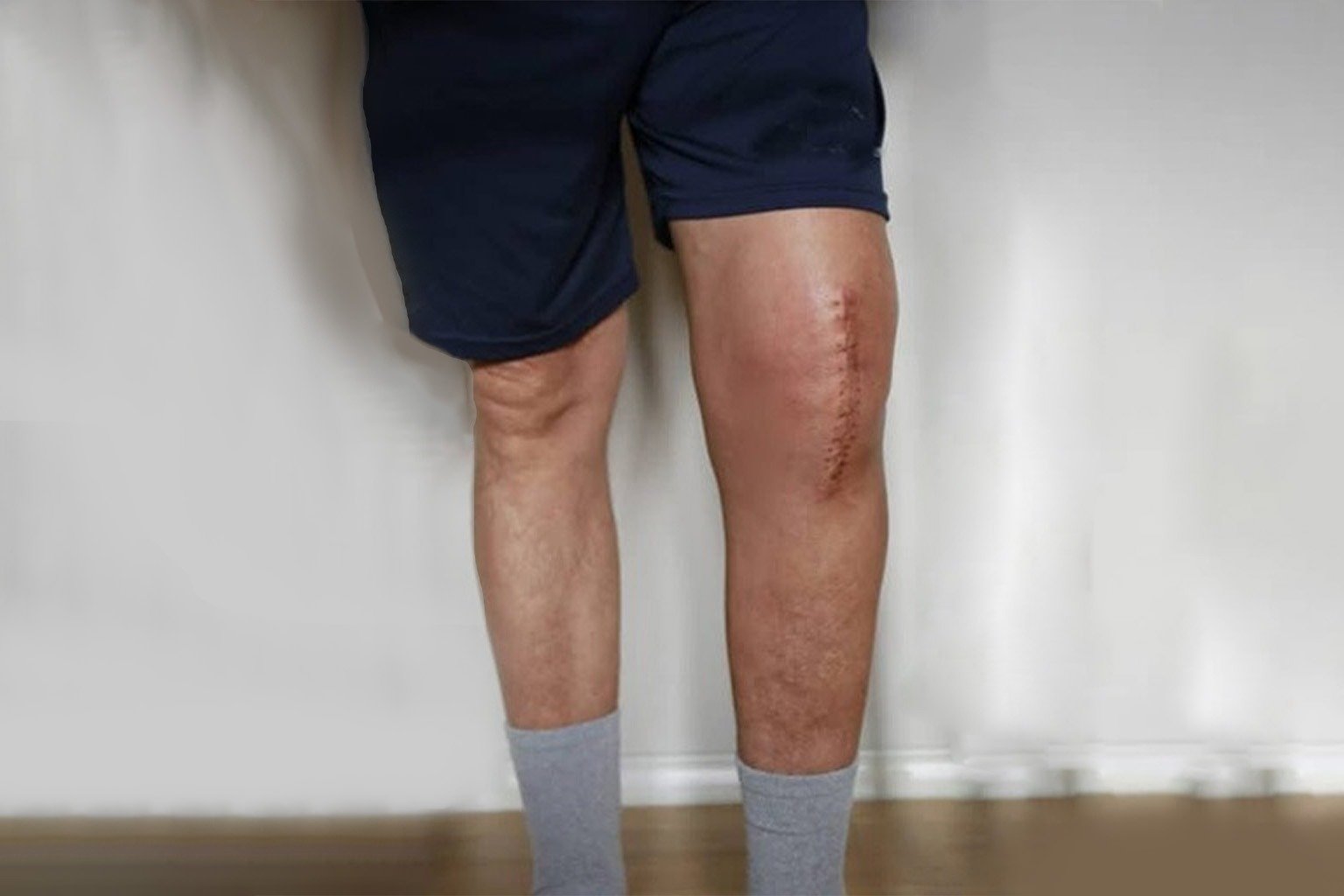
Arthrofibrosis (The "Stiff Knee") This is perhaps the most common challenge we see in physiotherapy. Arthrofibrosis occurs when the body produces excessive scar tissue around the new joint. Think of it like internal "glue" that binds the joint.
-
The Symptom: You feel like your knee is stuck in a permanent splint. No matter how hard you push, it won't bend or straighten fully.
-
The Risk: If not managed, it can lead to a permanent limp and difficulty with stairs.

-
Deep Vein Thrombosis (DVT) Surgery, especially on the lower limbs, increases the risk of blood clots. Because you are less mobile immediately after the operation, blood can pool in the calves.
-
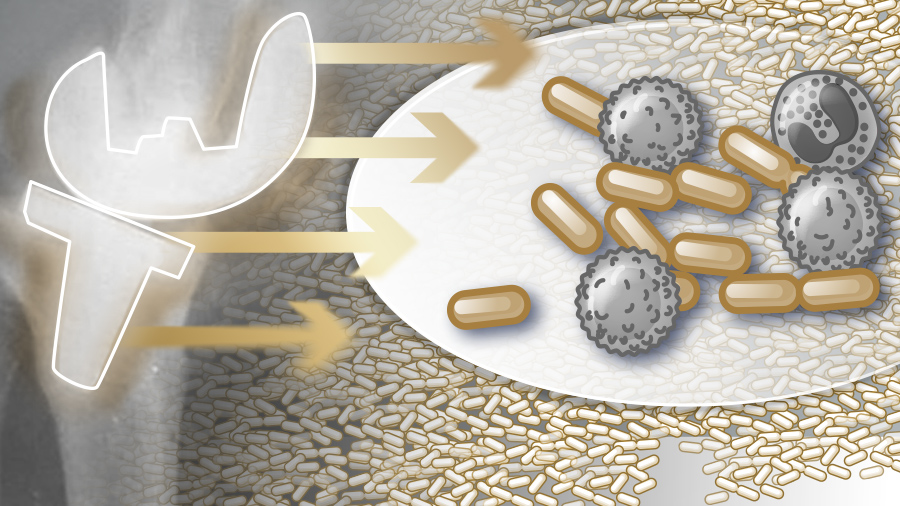
Prosthetic Joint Infection (PJI) Bacteria are opportunistic. They love to settle on foreign objects like metal implants where the body’s immune system has a harder time reaching them.
-
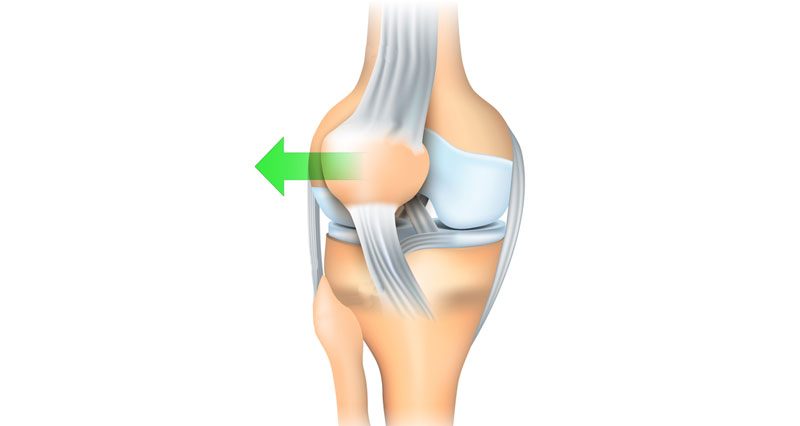
Patellofemoral Instability Your kneecap (patella) has to glide perfectly in a groove on the new metal femoral component. If the "tracking" is off - often due to muscle imbalances - it can cause clicking, popping, or pain.
-
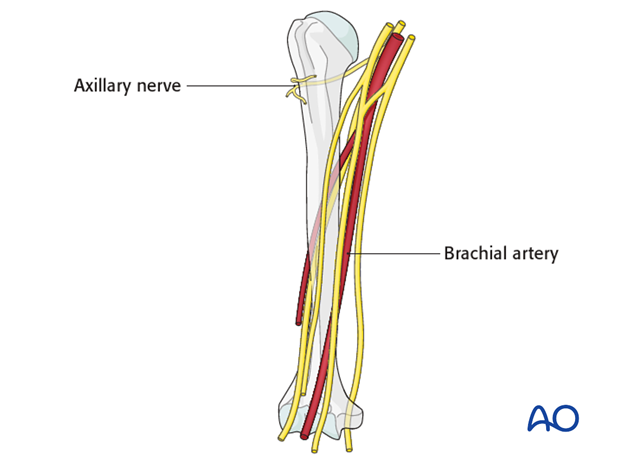
Nerve and Vascular Injury Though rare, the nerves surrounding the knee (like the peroneal nerve) can be stretched or compressed during surgery.
Part 2: How Physiotherapy Saves the Day
A surgeon performs the "carpentry," but a physiotherapist performs the "engineering." Without a solid exercise program, a TKR is just a piece of metal in a stiff leg. Here is how we navigate those complications at Destiny Health.
Breaking the "Glue": Managing Arthrofibrosis If your knee starts to stiffen, we don't just "wait and see." We use a combination of:
-
Manual Therapy: Specific joint mobilisations to keep the "capsule" of the knee supple.
-
Controlled Loading: Exercises that tension the scar tissue without causing excessive inflammation.
Correcting the "Track": Patellar Alignment If your kneecap isn't tracking right, it's usually because your VMO (the teardrop-shaped muscle on the inside of your thigh) is "sleeping" post-surgery.
-
Neuromuscular Re-education: We use techniques like Biofeedback or TENS to "wake up" the specific muscles that stabilise your kneecap.
-
Hip Strengthening: We strengthen the glutes to prevent your thigh from rotating inward, which keeps the knee joint aligned.
Swelling Management (The "Game Changer") Chronic swelling is the enemy of progress. It inhibits muscle contraction and causes pain. We use the RICE principle tailored to your specific surgical stage, ensuring that "puffy" knee doesn't become a "stiff" knee.
Part 3: The Destiny Health Difference
At Destiny Health, we don’t believe in "cookie-cutter" rehab. Your recovery journey is as unique as your DNA. When you walk into our clinic, we aren't just looking at a knee; we’re looking at a person who wants to get back to life.
Our Approach Includes:
-
Pre-Hab: Did you know that doing physio before surgery reduces complication rates? We get your muscles strong so you bounce back faster. Read our guide on navigating post-operative challenges (while written for ACL, many principles apply to TKR!).
-
Gait Retraining: Many TKR patients have spent years walking with a limp. We retrain your brain to walk normally again.
-
Personalised Care: We offer tailored treatment plans through our Group Training and 1-on-1 sessions to ensure you hit your goals safely.
A Note on "The Blues"
It’s rarely talked about in surgical brochures, but "Post-Op Blues" is a real thing. The combination of pain, lack of sleep, and the sheer effort of rehab can be draining. Your physiotherapist is often the person you see most during this time. We aren't just here to stretch your leg; we’re here to be your coach and cheerleader.
Medical Disclaimer Important: The information provided in this blog is for educational purposes and is not intended as medical advice. Total Knee Replacement is a significant surgical procedure with inherent risks. Always seek the advice of your surgeon or qualified health provider.
Academic References (List retained as per your original text)
Ready to start your recovery?
Whether you're prepping for surgery or you're three weeks post-op and feeling "stuck," our team at Destiny Health is here to guide you.