

1. The Muscle Pump: What Is It and Why Do People Chase It?
The muscle pump (or transient hypertrophy) is the swelling of muscles during high‑rep resistance training. It results from:
- Sharp increases in blood flow to activated muscles
- Metabolite accumulation (like lactate and hydrogen ions) that draws fluid into muscle cells
- Temporary cell swelling and vascular engorgement
This feeling often motivates gym‑goers and provides a visible, immediate reward. Yet it’s temporary, typically lasting only an hour or two post‑workout, and is not equivalent to structural muscle growth.
On the Ben Pakulski Muscle Intelligence Podcast, in a discussion featuring Dr Nathan Bryan (a nitric oxide expert), it was emphasised that many pre‑workouts overpromise when it comes to NO. Bryan argues that most supplements do not significantly enhance nitric oxide, and that we must focus on physiological mechanisms, not marketing hype Apple Podcasts+10All You Can Books + 10 Amazon + 10 Apple Podcasts Wikipedia + 2 Mahdwarka + 2 Anghami + 2 Wikipedia + 1 Mahdwarka + 1 Biosphere Nutrition + 1 Mahdwarka + 1.
2. Nitric Oxide: The Molecule Behind the Pump
🔬 What Is Nitric Oxide?
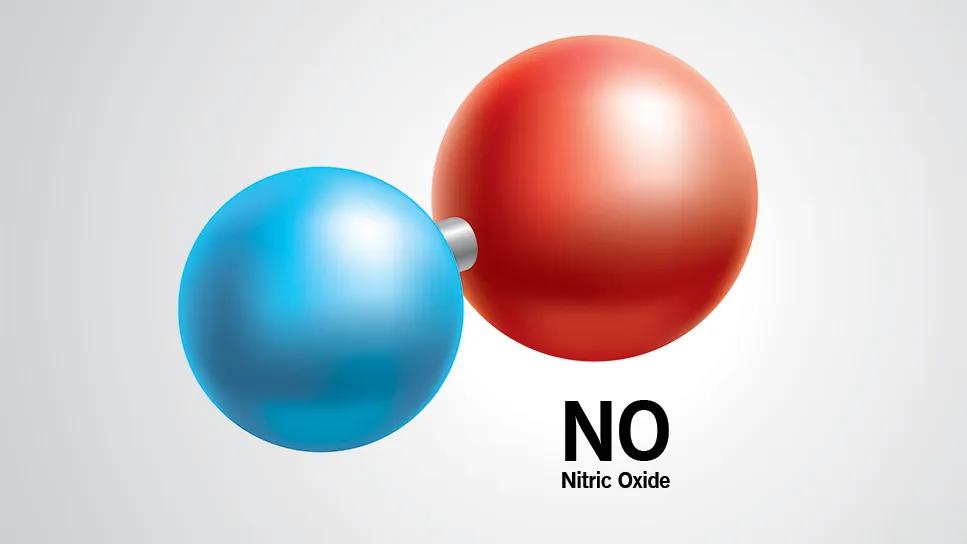
Nitric oxide (NO) is a simple gaseous molecule, just one nitrogen atom bonded to oxygen, but inside the body it’s a potent signalling molecule involved in multiple systems: blood vessel regulation, neuronal signalling, immune responses, and muscle physiology WikipediaBiosphere Nutrition.
🔄 How the Body Produces It
There are two primary pathways to generate NO:
- Endogenous (L‑arginine) pathway:
Enzyme nitric oxide synthase (NOS) – particularly eNOS in blood vessel linings – converts L‑arginine into NO and L‑citrulline, with NADPH and other cofactors Medical News Today+4Wikipedia+4Biosphere Nutrition+4.
- Dietary nitrate (nitrate → nitrite → NO) pathway:
Found in foods like beetroot and leafy greens, dietary nitrate is converted to nitrite by oral bacteria, then to NO in stomach acid and bloodstream T NATION+6Wikipedia+6ScienceDirect+6.
Once produced, NO activates soluble guanylate cyclase (sGC) in smooth muscle cells, increasing cGMP levels. This lowers intracellular calcium levels, causing smooth muscle relaxation, vessel dilation, and elevated blood flow Wikipedia+1Wikipedia+1.
3. Insights from Benjamin Pakulski’s Podcast
On the Muscle Intelligence Podcast, Ben Pakulski sat with Dr Nathan Bryan (#373) to go deep into nitric oxide’s role in performance and vascular health. Key takeaways:
- True nitric oxide enhancement is biochemically complex. Padding your pre‑workout with arginine or citrulline does not guarantee elevated NO unless absorption and conversion are efficient Mahdwarka+11All You Can Books+11Apple Podcasts+11Strong Supplement Shop.
- Many supplements mislead. Dr Bryan argues that most ingredients used in pump blends offer marginal effect at typical doses.
- Lifestyle and training habits can have a bigger impact on natural NO production than supplement stacks.
- Such lifestyle habits include:Staying well hydrated, including electrolytes Eating nitrate rich foods such as celery, radish, swiss chard, beetrootSleeping 7-9 hours per night Completing regular cardiovascular exercise Eating polyphenol-rich foods such as dark berries, cocoa, citrus fruits, pomegranate juice Reducing chronic stress and inflammation Avoiding antibacterial mouthwash that can kill the oral bacteria needed to convert nitrate → nitrite → NO (according to Dr Bryan).
Pakulski emphasises that while the pump “feels amazing”, it should remain secondary to progressive overload, recovery optimisation, and nutrient timing.

4. Viagra (Sildenafil) and the Nitric Oxide Pathway
💊 What Viagra Teaches Us
Viagra (sildenafil) is a PDE‑5 inhibitor, blocking the enzyme that breaks down cGMP. This preserves NO’s effects, leading to vasodilation and erectile function improvement. Viagra was developed after scientists noticed increased erections in angina trials, revealing NO’s central role in vascular relaxation first identified by Ignarro, Furchgott and Murad (Nobel Prize winners) .
Physiologically, sildenafil is not a nitric oxide donor – it amplifies the action of NO already present. So even though it enhances vasodilation dramatically, it does not boost NO levels directly in muscle tissue or alter training responses when used off‑label.
Sildenafil has been trialled in bodybuilding as an off‑label enhancer (e.g. aiding blood flow), but it comes with medical risks – hypotension, impaired vision, drug interactions and contraindications for people with cardiovascular conditions. It’s not advised as a performance supplement .

5. Do “Pump” Supplements Actually Work? What the Science Says
🧪 Key Ingredients and Evidence
L-Citrulline / Ciulline Malate
- Converts to arginine in the kidneys, bypassing arginine’s poor absorption.
- Studies show 6–8 g (malate form) improves blood flow, muscular endurance, reduced soreness, and modest performance boosts in resistance training.
L-Arginine (and derivatives like Nitrosigine®)
- Direct NO precursor – but prone to rapid breakdown in liver, limiting effectiveness.
- Derivatives like Nitrosigine® show improved absorption and somewhat stronger NO effects.
Beetroot Extract / Nitrate Supplements
- Known to improve endurance – reducing oxygen cost and time to exhaustion.
- Effects on “pump” are milder than citrulline blends but still real.
Agmatine Sulfate
- Anecdotally believed to inhibit NO breakdown and support pump.
- Human studies are sparse; evidence remains weak.
Glycerol / Hyperhydration Agents
- Not nitric oxide boosters directly – but increase plasma volume, enhancing muscle fullness and facilitating pump effects.
Recent synthesis by Mercer (2025) confirms these ingredients work via the described pathways, though the quality and dosages matter significantly.
📊 Does Pump Translate to Muscle Growth?
The pump itself is a short‑term effect and does not equate to hypertrophy. However, indirect benefits may include:
- Enhanced mind‑muscle connection, especially for novice lifters.
- Increased training volume and adherence due to motivational feedback.
- Potential cell‑swelling‑mediated signalling that may contribute to hypertrophy (Haun et al., 2019).
Yet long‑term growth rests on progressive overload, nutrition, rest, and consistent training, not pump powders.

6. Safety & Risks: What You Should Know
Most pump supplements are generally safe when taken as directed, especially L‑citrulline and beetroot. However, risks include:
- Gastrointestinal upset, especially at high doses
- Headaches or light-headedness via rapid vasodilation
- Low blood pressure, which may be problematic for those on antihypertensives
- Interactions or contraindications – particularly with PDE‑5 inhibitors (like Viagra), nitrates, or heart medications
7. Practical Tips: Maximising the Pump Without Supplements
✅ How to do it naturally:
- Train in 8 – 15 rep ranges, high volume
- Use short rest periods (30 – 60 s), supersets, drop‑sets
- Stay hydrated
- Focus on quality form and progressive overload